

By Nikita Pomal, Founder of Tattvarthaa
In an era where fashion moves at unprecedented speed, Indian craftsmanship offers something increasingly rare: time, intention, and human connection. For centuries, India’s textile traditions have reflected not only exceptional skill but also a profound understanding of materials, communities, and culture. Yet today, the challenge is not whether Indian craftsmanship is valuable, it is how it can remain relevant in a global fashion landscape shaped by technology, changing consumer expectations, and rapid consumption.
Indian Craftsmanship in Today’s Fashion Industry
At Tattvartha, we believe the answer lies not in preserving craft as a museum artifact, but in allowing it to evolve while remaining true to its essence.
Across the world, consumers are redefining luxury. Increasingly, luxury is no longer measured by logos or excess, but by authenticity, craftsmanship, sustainability, and emotional value. This shift presents an extraordinary opportunity for Indian artisans and designers. Our heritage already possesses these qualities. The responsibility now is to translate them into a language that resonates with the contemporary global consumer.
Indian Craftsmanship for Modern Global Consumers
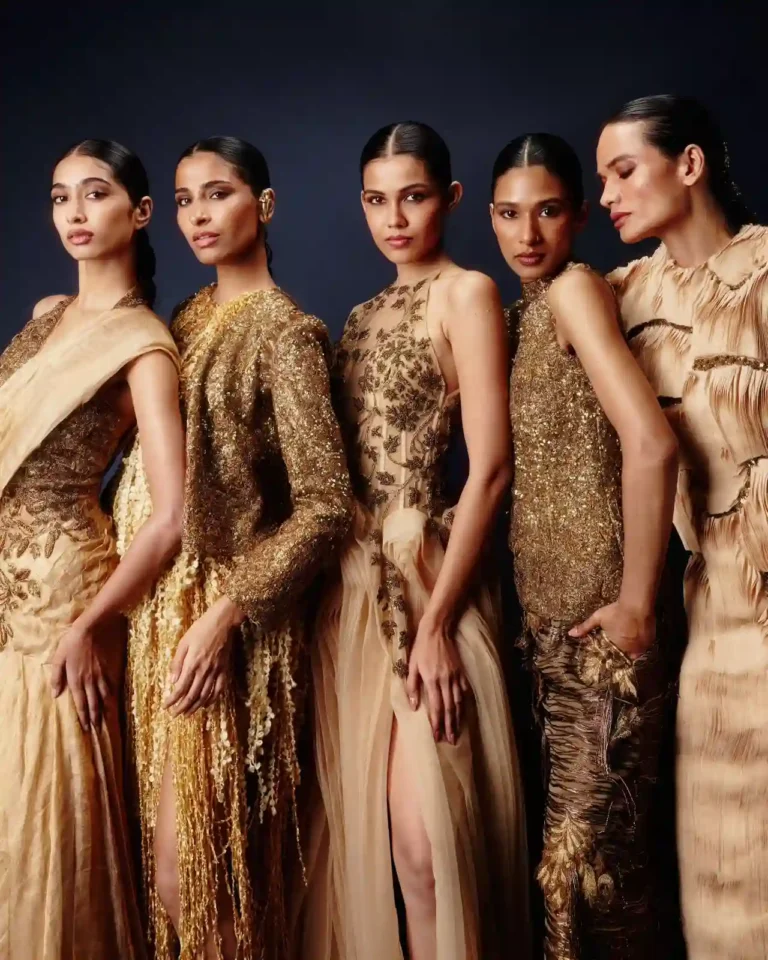
One of the greatest misconceptions surrounding Indian craftsmanship is that it belongs only to festive occasions or traditional attire. While these expressions remain culturally significant, the future of craft also lies in everyday relevance. Handwoven textiles, natural fibres, and intricate embroidery deserve a place in modern wardrobes through timeless shirts, structured jackets, elegant dresses, versatile separates, and refined essentials that seamlessly fit contemporary lifestyles.

Indian Craftsmanship Through Storytelling and Innovation
Equally important is the way we communicate craftsmanship. Too often, handmade fashion is appreciated only for its visible beauty, while the extraordinary journey behind each garment remains untold. Every woven fabric represents generations of inherited knowledge. Every handcrafted detail reflects patience, precision, and countless hours of skilled human effort. These are not merely production techniques, they are living traditions that deserve recognition and respect.
For Indian craftsmanship to remain globally relevant, storytelling must become as intentional as design itself. Consumers today seek transparency. They want to know where their clothing comes from, who made it, what materials were used, and why those choices matter. When brands share these stories with honesty and depth, garments transform from products into meaningful experiences.
Innovation is equally essential. Respecting tradition does not mean resisting change. Rather, it means allowing centuries-old techniques to engage in dialogue with contemporary design, improved functionality, responsible production methods, and evolving lifestyles. Heritage and innovation are not opposing forces; together, they create enduring relevance.
At Tattvartha, this philosophy is expressed through what we call Vastra-Shakti—the understanding that clothing is more than something we wear. It influences how we feel, how we move, how we express ourselves, and how we connect with the world around us. A thoughtfully crafted garment carries the energy of the artisan, the integrity of natural materials, and the intention behind its creation. In a world increasingly overwhelmed by disposable fashion, such garments invite a slower, more conscious relationship with what we choose to wear.
Indian Craftsmanship and Sustainable Fashion
This perspective also challenges the industry’s understanding of sustainability. Sustainability is not achieved solely through organic materials or ethical certifications. It begins with creating clothing that people genuinely value—pieces designed to be worn repeatedly, cared for thoughtfully, and treasured over time. Longevity, both emotional and physical, is perhaps the most meaningful form of sustainability.
However, global relevance also demands uncompromising quality. Craftsmanship must be matched by excellence in tailoring, finishing, branding, photography, packaging, and customer experience. International consumers appreciate authenticity, but they also expect precision. Indian craftsmanship deserves to stand confidently alongside the world’s finest luxury houses—not because it imitates them, but because it offers something they cannot replicate: centuries of living tradition shaped by human hands.
The Future of Indian Craftsmanship
The future of Indian craftsmanship will not be secured by nostalgia alone. It will be shaped by collaboration between artisans, designers, entrepreneurs, educators, and conscious consumers who recognise that heritage is not static. It is a living practice that evolves with each generation.
India has never lacked extraordinary craftsmanship. What we need now is a renewed commitment to presenting it with confidence, contemporary relevance, and global vision.
At Tattvartha, we see every handcrafted garment as more than a product. It is a dialogue between tradition and modernity, between maker and wearer, between heritage and the future. When craftsmanship is allowed to evolve without losing its soul, it does more than survive in the global fashion landscape—it helps define its future.