

Fashion

GenAnokhi: India Worn Your Way showcase at Lakmé Fashion Week 2026 by FDCI x Pearl Academy
Fashion

GenAnokhi: India, Worn Your Way – 6 Traditional Indian Crafts Meet Gen Z Creativity at Lakmé Fashion Week 2026

GenAnokhi: India, Worn Your Way brought together contemporary fashion, emerging design talent and India’s rich craft heritage at FDCI x Pearl Academy First Cut during Lakmé Fashion Week 2026. Presented on 18 October 2026 in New Delhi, the showcase explored how a new generation is expressing its contemporary Indian identity through fashion, individuality and traditional craftsmanship. GenAnokhi: India, Worn Your Way Celebrates a New Indian Fashion Identity The showcase explored the idea of a contemporary Indian identity shaped by personal expression, cultural roots and evolving fashion sensibilities. Through innovative concepts, prints, textiles and visual directions, Pearl Academy’s student designers reinterpreted traditional Indian craftsmanship for a younger generation. The title, GenAnokhi: India, Worn Your Way, reflects the individuality of a generation that draws inspiration from India’s cultural heritage while expressing its own creative vision. Rather than treating tradition as something confined to the past, the showcase presented craftsmanship as a living source of inspiration for contemporary fashion. Six Traditional Indian Crafts Meet Contemporary Design A defining feature of GenAnokhi at Lakmé Fashion Week 2026 was the collaboration between student designers and six artisans. This creative partnership brought traditional techniques into the design process, allowing craftsmanship to inform concepts, prints and the visual language of the collections. The featured crafts included: Charpai Weaving: A traditional weaving technique reinterpreted through contemporary design ideas. Zardozi Embroidery: Intricate embroidery that adds richness, texture and decorative detail. Handloom Wool Weaving: A textile tradition that highlights the character and versatility of handwoven materials. Block Printing: A distinctive printing technique that brings patterns and visual expression to textiles. Gota Patti and Tassel Work: Decorative embellishment techniques that contribute movement, texture and traditional detailing. Charkha Spinning: A craft rooted in India’s textile heritage that connects the process of making yarn with the wider story of handmade fashion. By bringing these crafts into a contemporary design setting, the students explored how heritage techniques can contribute to new silhouettes, visual experimentation and personal style. FDCI x Pearl Academy First Cut Highlights Emerging Fashion Talent The FDCI x Pearl Academy First Cut platform provides a setting for emerging creative talent to present fresh perspectives on fashion. Through GenAnokhi: India, Worn Your Way, the students demonstrated how collaboration with artisans can become an integral part of the design process. The showcase placed equal emphasis on creative exploration and cultural context. Traditional skills informed the collections, while the students developed their own interpretations of Indian fashion for a generation shaped by diverse influences and changing ideas of identity. The result was a conversation between craftsmanship and contemporary design, highlighting the role of emerging designers in exploring new possibilities for Indian fashion. Reimagining Indian Craftsmanship for the Next Generation GenAnokhi: India, Worn Your Way reflected a broader creative dialogue between India’s textile traditions and the aspirations of young designers. By working alongside artisans, the students engaged with the techniques, processes and cultural significance behind traditional crafts. The showcase demonstrated how fashion can serve as a language of self-expression while maintaining a connection to cultural heritage. Through new concepts, prints and visual directions, traditional craftsmanship found opportunities for reinterpretation within a contemporary fashion context. At Lakmé Fashion Week 2026, the FDCI x Pearl Academy First Cut showcase presented a vision of Indian fashion that values both individuality and heritage. GenAnokhi: India, Worn Your Way celebrated the creative possibilities that emerge when young designers and traditional artisans work together, bringing India’s rich craft traditions into conversation with the fashion sensibilities of a new generation.
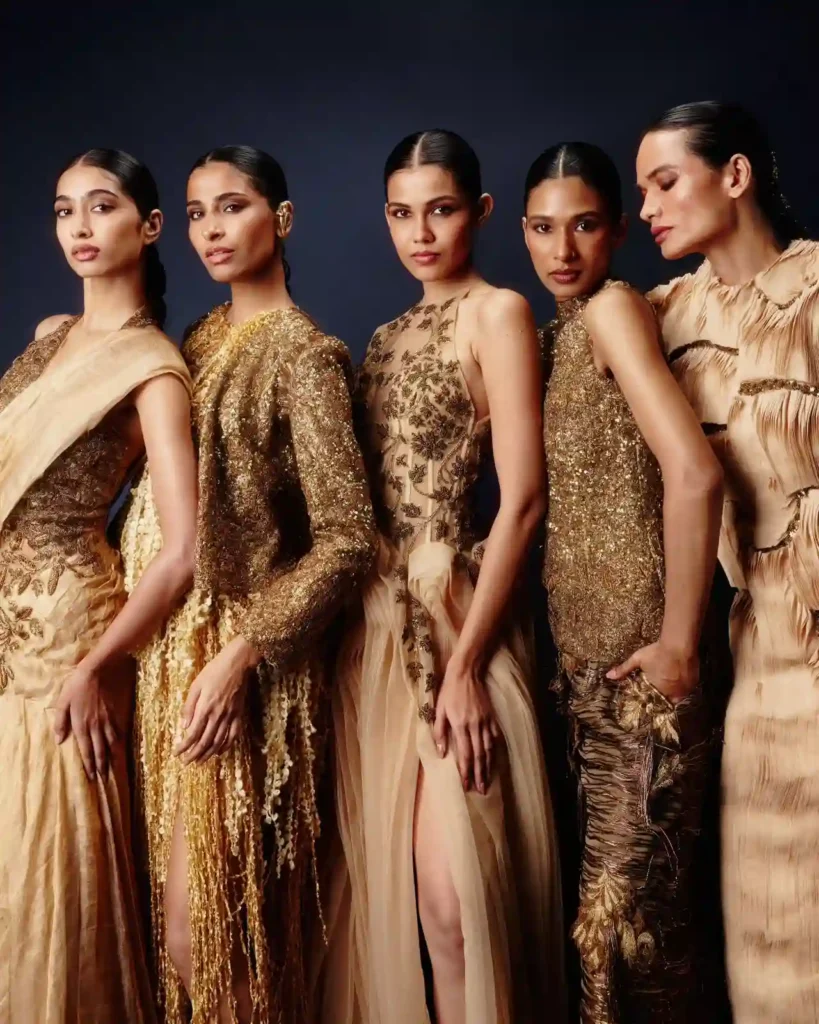
Samant Chauhan Jaisalmer Collection 2026 featuring Bhagalpur silk at Lakmé Fashion Week in partnership with FDCI
Fashion

Samant Chauhan’s Jaisalmer-Inspired Collection at Lakmé Fashion Week 2026 Celebrates India’s Timeless Craft Heritage

Bhagalpur silk, desert-inspired storytelling and Jaisalmer Crafted Bar Collectibles come together in a cultural collaboration that reimagines Indian craftsmanship through contemporary luxury. The Samant Chauhan Jaisalmer Collection 2026 brought together the rich heritage of Bhagalpur silk and the timeless cultural identity of Rajasthan at Lakmé Fashion Week in partnership with the Fashion Design Council of India (FDCI). Ace designer Samant Chauhan presented his Autumn/Winter 2026–27 collection, Where My Home Is?, in a showcase celebrating Indian craftsmanship, desert-inspired aesthetics and contemporary luxury. The presentation also featured a cultural collaboration with Jaisalmer Crafted Bar Collectibles, creating a dialogue between traditional textiles and craft-led lifestyle experiences. The showcase also featured a distinctive collaboration with Jaisalmer Crafted Bar Collectibles, bringing together fashion, artisanal traditions and contemporary luxury in an experience that extended beyond the runway. Samant Chauhan Jaisalmer Collection 2026: Where Heritage Meets Contemporary Fashion Known for his longstanding association with Bhagalpur silk, Samant Chauhan has built his design philosophy around the possibilities of traditional Indian textiles. Since establishing his label in 2006, the designer has worked to reinterpret the region’s weaving heritage through innovative fabric treatments, intricate textures and modern silhouettes. At Lakmé Fashion Week 2026, this commitment to craftsmanship took on a desert-inspired dimension. The collection drew audiences into the atmosphere of Rajasthan, evoking the golden dunes, earthy landscapes and cultural richness associated with Jaisalmer. Titled Where My Home Is?, the Autumn/Winter 2026–27 presentation reflected a personal and cultural exploration of belonging, identity and India’s diverse craft traditions. The collection demonstrated how traditional textiles can remain relevant in contemporary fashion without losing their connection to the communities and skills that sustain them. Bhagalpur Silk Takes Centre Stage Bhagalpur, in Bihar, is renowned for its silk-weaving heritage and skilled artisan communities. For Chauhan, the textile represents more than a luxurious material; it embodies generations of knowledge, craftsmanship and regional identity. The Samant Chauhan Jaisalmer Collection 2026 demonstrates how traditional Indian textiles can be reimagined through contemporary silhouettes while preserving their cultural significance and artisanal value. His approach combines the natural character of silk with contemporary cuts, carefully considered textures and sophisticated detailing. By bringing Bhagalpur silk into modern menswear, couture and prêt silhouettes, the designer continues to explore how India’s handloom traditions can evolve for changing fashion sensibilities. The collection reinforced the importance of preserving traditional weaving while creating new opportunities for Indian textiles to reach wider audiences. It also highlighted the relationship between designers and artisan communities, whose expertise remains central to the future of Indian luxury fashion. Jaisalmer Crafted Bar Collectibles and the Celebration of Indian Craft Adding another dimension to the showcase was the collaboration with Jaisalmer Crafted Bar Collectibles, a brand associated with Radico Khaitan. The partnership connected Chauhan’s textile-led design philosophy with a craft-focused lifestyle experience inspired by Indian botanicals, traditional processes and contemporary presentation. At the event, the Jaisalmer Crafted Bar offered guests a curated cocktail experience, accompanied by special collectibles reflecting the collaboration’s design sensibility. The partnership brought two distinct creative worlds together: the intricate art of silk weaving and the heritage-inspired identity of Indian craft spirits. Despite their different mediums, both narratives emphasised provenance, attention to detail and the cultural stories behind a finished creation. The collaboration demonstrated how Indian craftsmanship can extend beyond apparel into broader lifestyle and luxury experiences, creating new ways for audiences to engage with traditional skills and contemporary design. Pavleen Gujral Closes the Runway Actor Pavleen Gujral brought the presentation to a memorable close as the showstopper, adding a cinematic finishing touch to the collection. Her appearance underscored the connection between fashion, performance and storytelling, reinforcing the emotional character of the designer’s vision. The runway’s desert-inspired atmosphere complemented the collection’s exploration of Indian identity, while the craftsmanship of Bhagalpur silk remained at its heart. A New Perspective on Indian Luxury Samant Chauhan’s Lakmé Fashion Week 2026 presentation offered a reminder that Indian luxury can draw its strength from cultural authenticity rather than fleeting trends. By connecting Bhagalpur’s textile heritage with Jaisalmer’s distinctive cultural identity, the showcase created a conversation between regional traditions and contemporary aspirations. The collaboration with Jaisalmer Crafted Bar Collectibles further illustrated how craft-led partnerships can bring different industries together around a shared appreciation of Indian heritage. Ultimately, Where My Home Is? celebrated the people, materials and traditions that shape India’s creative identity. It positioned craftsmanship not simply as a design element, but as a living legacy—one that continues to find new expression on the global fashion stage. With the Samant Chauhan Jaisalmer Collection 2026, the designer reinforces the importance of connecting India’s regional craft traditions with contemporary fashion and evolving luxury experiences.

Fashion

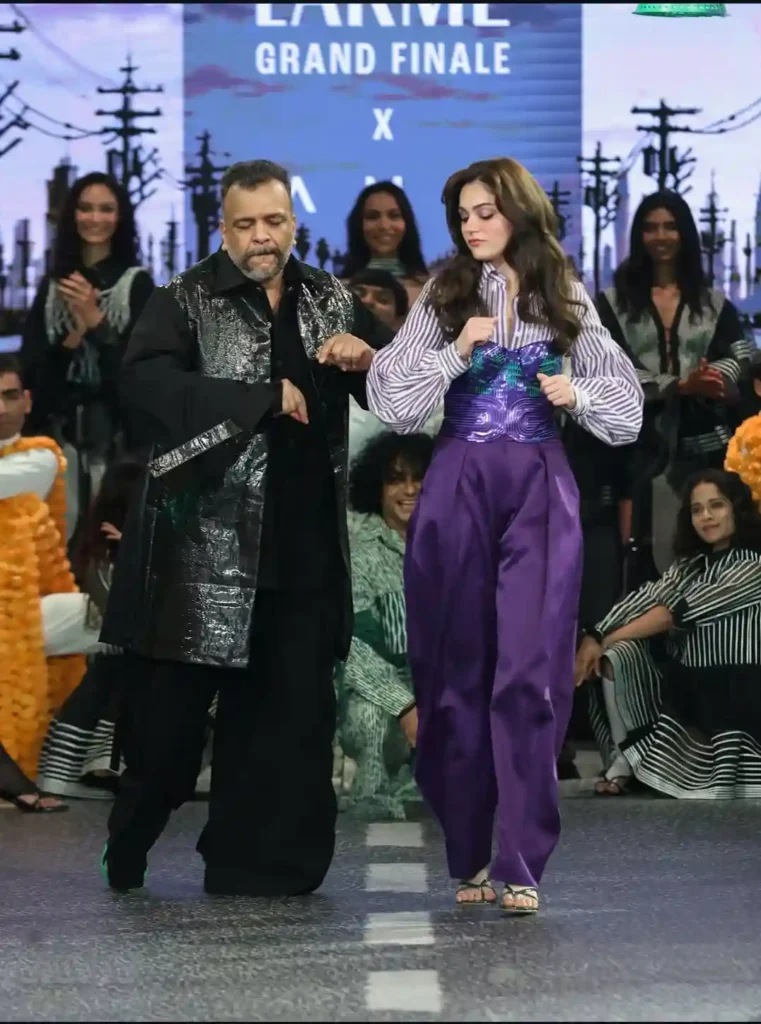
Aneet Padda Stuns at Lakmé Fashion Week 2026 Finale in Amit Aggarwal’s Glamorous AM Collection

Aneet Padda at Lakmé Fashion Week 2026 became one of the standout fashion moments as the Saiyaara actress closed the grand finale for celebrated designer Amit Aggarwal. Walking as the showstopper for his prêt label AM, Aneet brought youthful energy, contemporary styling and after-hours glamour to the runway with the designer’s latest collection, 5PM Glam Reset. Presented in New Delhi on October 18, 2026, the showcase brought the October edition of Lakmé Fashion Week x FDCI to a spectacular close. The collection explored the transition from a structured workday to the freedom of evening dressing, reimagining everyday fashion through bold silhouettes, expressive colours and distinctive textures. Aneet Padda at Lakmé Fashion Week 2026: A Striking Showstopper Moment Aneet Padda commanded attention in a striking ensemble that blended contemporary street style with Amit Aggarwal’s signature sculptural aesthetic. Her look featured a purple-and-white striped shirt with dramatic balloon sleeves, paired with a metallic purple corset that accentuated the waist through structured detailing. Wide-leg purple trousers completed the outfit, creating a fluid silhouette that balanced the corset’s defined structure. Green strappy heels added a contrasting pop of colour, while shimmering purple eye makeup enhanced the look’s playful, evening-ready appeal. The ensemble demonstrated how familiar wardrobe staples can be transformed into statement fashion through innovative construction, proportions and styling. Rather than relying solely on conventional occasionwear, the look brought together relaxed tailoring and metallic drama in a distinctly contemporary interpretation of glamour. Amit Aggarwal’s AM ‘5PM Glam Reset’ Collection The 5PM Glam Reset collection explored a familiar everyday transition: moving from the demands of a nine-to-five workday into the expressive possibilities of the evening. Presented in collaboration with Lakmé 9to5, the showcase examined how clothing, makeup and personal style can evolve as the day progresses. Amit Aggarwal translated this concept into structured silhouettes, rich textures, striking colours and distinctive metallic finishes. His approach combined elements of everyday dressing with experimental design, demonstrating how practical wardrobe pieces can become expressive fashion statements. The collection’s design language reflected the AM label’s contemporary identity, with sculptural forms and innovative material combinations adding depth to the garments. The emphasis was on versatility without compromising individuality, allowing the transition from professional dressing to after-hours glamour to feel seamless and creative. An Urban Street-Inspired Runway Adding another dimension to the presentation was its theatrical, urban street-inspired setting. The runway incorporated familiar elements of everyday Indian city life, including street vendors, balloons, ice-cream stalls and other lively street scenes. This environment gave the collection a relatable cultural backdrop while contrasting everyday surroundings with the glamour of high fashion. Music, movement and street-inspired details helped turn the presentation into a fashion narrative rather than simply a display of clothing. The setting reinforced the central idea behind 5PM Glam Reset: ordinary routines can become opportunities for personal expression. By bringing together urban influences, contemporary silhouettes and dramatic styling, the showcase created a lively interpretation of modern Indian fashion. Aneet Padda’s Growing Fashion Influence Following the success of Saiyaara, Aneet Padda has continued to attract attention for her on-screen performances and public appearances. Her appearance at the Lakmé Fashion Week finale further highlighted her connection with a younger generation of fashion audiences drawn to expressive styling and contemporary trends. As the showstopper, she brought the collection’s central idea to life through a look that balanced structure with movement, metallic detailing with everyday influences, and youthful energy with high-fashion drama. Her appearance also underscored the growing space for contemporary prêt fashion on major Indian runways, where designers are exploring ways to make statement dressing more adaptable to modern lifestyles. Lakmé Fashion Week 2026 Concludes on a Glamorous Note Amit Aggarwal’s AM 5PM Glam Reset offered a fitting finale to Lakmé Fashion Week x FDCI’s October edition. By combining urban inspiration, experimental textures and a day-to-night fashion narrative, the showcase presented a fresh perspective on contemporary dressing. With Aneet Padda leading the finale in a striped shirt, metallic corset and wide-leg purple trousers, the collection delivered a memorable meeting of youthful style and sculptural design. The result was a celebration of fashion that moves beyond routine, embracing individuality, transformation and the freedom to express a different side of oneself after five.

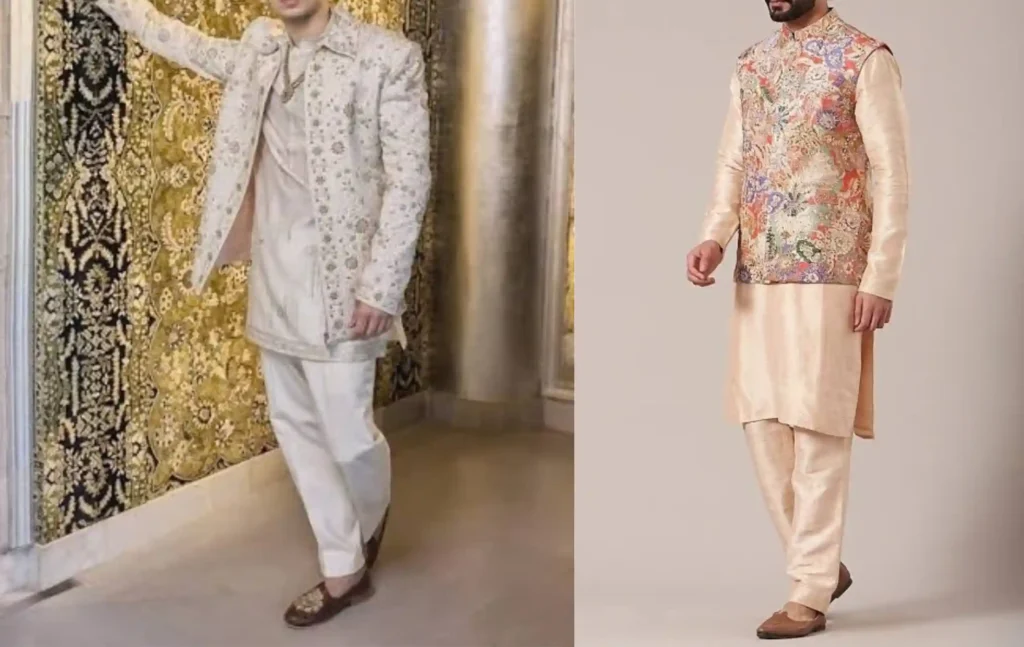
Ethnix by Raymond at Lakmé Fashion Week featuring showstopper Suryakumar Yadav in an ivory Indo-Western ensemble
Fashion

Ethnix by Raymond’s ‘Wedding Stories’ Steals the Spotlight at Lakmé Fashion Week 2026 with Showstopper Suryakumar Yadav

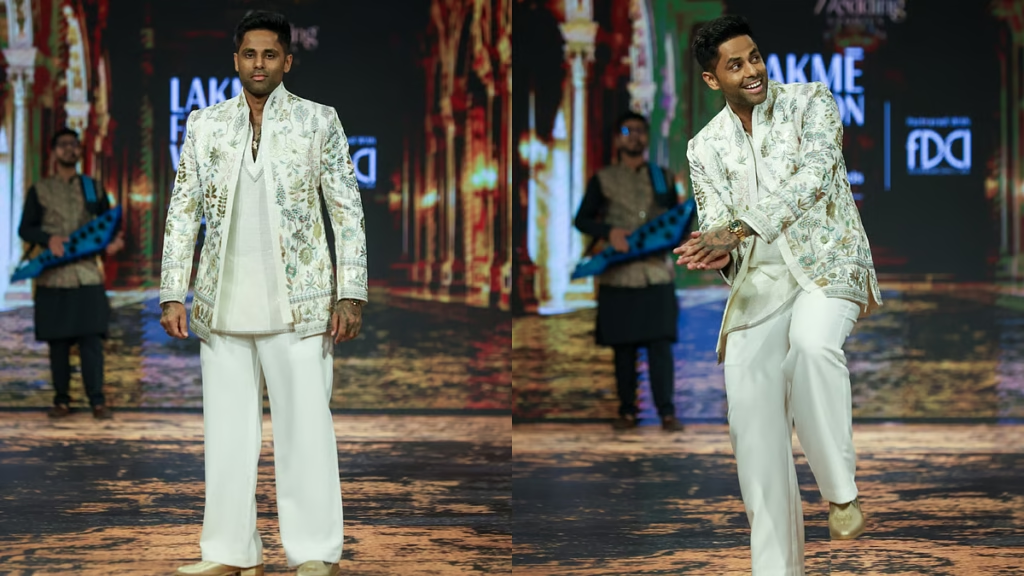
A spectacular celebration of Indian craftsmanship, contemporary menswear and wedding fashion unfolds at Lakmé Fashion Week in partnership with FDCI. Ethnix by Raymond at Lakmé Fashion Week made a striking statement with its latest collection, Wedding Stories, presented at Lakmé Fashion Week in partnership with the Fashion Design Council of India (FDCI). Held on October 18, 2026, at Taj Palace, New Delhi, the showcase celebrated the richness of Indian textile traditions while exploring a fresh, contemporary approach to wedding and occasionwear for the modern Indian man. The highlight of the presentation was celebrated Indian cricketer Suryakumar Yadav, who made his runway debut as the showstopper. Ethnix by Raymond at Lakmé Fashion Week: Celebrating Indian Wedding Fashion With Wedding Stories, Ethnix by Raymond explored the evolving wardrobe of the modern Indian groom, moving beyond conventional wedding attire to embrace a more versatile and individualistic approach to dressing. The collection reflected the many moments that define contemporary Indian weddings, from traditional ceremonies and celebratory gatherings to sophisticated evening occasions. The presentation brought together an impressive range of menswear, including kurtas, bandhgalas, sherwanis, Indo-Western ensembles, suits and tuxedos. Each category offered a distinct interpretation of occasion dressing, balancing cultural heritage with contemporary tailoring and refined styling. Traditional textiles and artisanal techniques formed the foundation of the collection. Floral Jacquards, Jamawar, brocades, Jaipur-inspired block prints, embroidery and intricate embellishments added texture and visual richness to the ensembles. These heritage-inspired details were complemented by fluid cuts, layered silhouettes, asymmetric elements and carefully considered proportions, creating a sophisticated design language for today’s fashion-conscious man. Suryakumar Yadav Makes a Stylish Runway Debut The excitement reached its peak when Suryakumar Yadav walked the runway as the showstopper for Ethnix by Raymond. Known for his dynamic presence on the cricket field, the Indian cricketer brought his distinctive personality and effortless confidence to the fashion stage. Yadav appeared in an elegant ivory Indo-Western ensemble featuring an open-front jacket with a mandarin collar, layered over a matching tunic and paired with straight-fit trousers. Multicoloured floral embroidery added a striking decorative element to the understated ivory palette, creating a balance between traditional craftsmanship and contemporary sophistication. Adding a playful touch to his runway appearance, Yadav struck a pose inspired by his signature batting stance, bringing his sporting identity into the world of fashion. His appearance highlighted the growing intersection of sport, celebrity culture and Indian occasionwear, while reinforcing the idea that personal style can be an expression of individuality. A Contemporary Interpretation of Indian Craftsmanship At the heart of Wedding Stories was a celebration of India’s rich textile heritage. Rather than relying solely on elaborate embellishment, the collection explored how fabric, construction, intricate surface details and silhouette can work together to create distinctive occasionwear. The use of traditional prints, woven textures and embroidery demonstrated the enduring appeal of Indian craftsmanship, while contemporary cuts and thoughtful styling made the ensembles relevant to changing preferences among younger consumers. Ethnix by Raymond’s approach reflects a broader evolution in Indian menswear, where traditional attire is increasingly being embraced as a medium for self-expression. Modern grooms are exploring different silhouettes, experimenting with textures and colours, and seeking versatile pieces that reflect their personalities while retaining a connection to cultural roots. From understated festive ensembles to statement-making wedding looks, the collection presented possibilities for dressing across the many occasions that make up a contemporary Indian wedding. Redefining the Modern Indian Groom’s Wardrobe With Wedding Stories, Ethnix by Raymond demonstrated how heritage and modernity can coexist within a cohesive design vision. The collection offered a fresh perspective on wedding fashion, bringing together traditional Indian artistry, premium fabrics and contemporary sensibilities. Suryakumar Yadav’s runway debut added a memorable celebrity moment to the showcase, drawing attention to the evolving relationship between fashion, sport and personal identity. At Lakmé Fashion Week in partnership with FDCI, the presentation stood out as a celebration of the modern Indian man—one who values tradition but is equally confident in embracing new interpretations of style. Through Wedding Stories, Ethnix by Raymond reinforced the enduring relevance of Indian craftsmanship while presenting occasionwear that reflects the confidence, versatility and individuality of today’s groom.

Jewellery trends featuring statement necklaces, silver temple jewellery and pastel fashion jewellery
Fashion

Beyond the Sparkle: Jewellery Trends Shaping the Season Ahead

India’s leading fashion jewellery brand rounds up the jewellery trends defining the season ahead, from festive maximalism to cool-toned metals Every season brings a new mood. This one just happens to sparkle a little brighter. After seasons defined by quiet luxury, the Indian fashion scene is embracing a more expressive mood. Jewellery is now the conversation starter, the mood-lifter and, increasingly, the headline act. Ethnic Silver is reclaiming its cool factor, stacks are becoming more personal, and celebration dressing is embracing a touch of glorious colour and excess. From runway cues and red-carpet moments to the pieces already finding their way onto wish lists, Kushals Fashion Jewellery rounds up the 5 trends poised to shape the season ahead. These jewellery trends celebrate individuality, statement-making designs and personal style. Jewellery Trends Defining the Season Ahead The Sculptural Statement Some trends whisper. This one arrives with presence. Oversized chain-link necklaces, chunky hoops and wide cuffs are emerging as favourites among the fashion set. Defined by bold proportions, smooth curves and striking metal forms, these pieces bring a sculptural quality to everyday dressing. Crafted in premium brass metal with a comfortable fit, they balance artistic expression with effortless wearability, proving that contemporary style is anything but predictable. Desi Maximalism “If festive jewellery had a love language, it would be bold.” Celebration jewellery has never subscribed to the less-is-more philosophy. This season, desi maximalism is reclaiming its spotlight through bold and layered necklaces, ornate chandbalis, stacked bangles, and craftsmanship that’s impossible to overlook. From pieces crafted in antique finishes to intricate kundan designs and statement American diamond styles, these details bring richness and grandeur to every look. The beauty of fashion jewellery lies in its ability to deliver a high-impact look without burning a hole in your pocket. If there was ever a season to make an entrance, this would be it. The Stack Edit Once upon a time, matching sets ruled supreme. Now? The charm lies in the mix. Layered chains, pendant combinations, ring and bracelet stacks and curated ear stories continue to dominate, turning jewellery trends into a form of self-expression. There’s no exact formula and that’s precisely the point. The beauty of stacking lies in building combinations that feel collected rather than coordinated, evolving with mood and personal style. With new designs launching every week at Kushals, there’s always something new to layer, mix and make your own. The Silver Temple Revival Some pieces do more than complete a look. They tell a story. Intricately handcrafted and adorned with traditional temple and god motifs, silver temple jewellery is having a defining moment. Rich in artistry and rooted in tradition, these pieces bring depth and meaning to festive dressing. Crafted in BIS hallmarked 92.5 silver, they offer a timeless way to celebrate Indian traditions while embracing personal style. In an era of self-expression, wearing your roots proudly has never felt more relevant. Enter: The Pastel Hues Era Some jewellery trends sparkles. Coloured pieces have a little more fun. The softer tones of the Pastel Hues collection are breathing new life into traditional silhouettes. Lavender and light pink hues, paired with American diamonds and enhanced with 18K gold plating, bring a fresh take to celebration dressing. Whether paired with pastel organza sarees, floral lehengas, or contemporary festive ensembles, these vibrant accents add personality and a welcome sense of fun. Equal parts celebratory and expressive, they prove that neutrals aren’t the only way to make a statement. The Final Word on Jewellery Trends This season doesn’t ask you to choose between timeless and trend-driven. Instead, it invites you to have fun with both. Whether it’s the drama of desi maximalism, the optimism of pastel hues collection, the cool factor of ethnic silver, the ease of stacking or the confidence of a sculptural silhouette, this season’s jewellery trends share one common thread: personality. The best pieces aren’t just worn—they say something about the person wearing them.

Indian craftsmanship in traditional handwoven textiles for global fashion
Fashion

How Indian Craftsmanship Can Stay Relevant in a Global Fashion Landscape by Nikita Pomal, Founder, Tattvarthaa

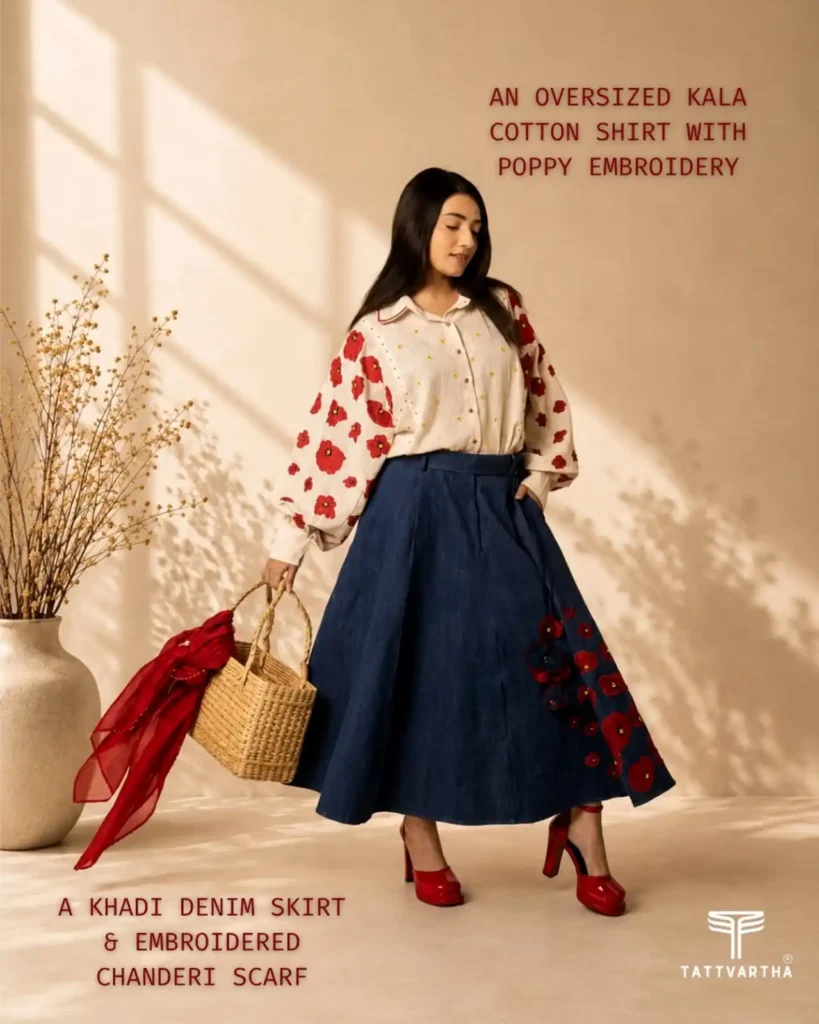
In an era where fashion moves at unprecedented speed, Indian craftsmanship offers something increasingly rare: time, intention, and human connection. For centuries, India’s textile traditions have reflected not only exceptional skill but also a profound understanding of materials, communities, and culture. Yet today, the challenge is not whether Indian craftsmanship is valuable, it is how it can remain relevant in a global fashion landscape shaped by technology, changing consumer expectations, and rapid consumption. Indian Craftsmanship in a Changing Global Fashion Landscape At Tattvartha, we believe the answer lies not in preserving craft as a museum artifact, but in allowing it to evolve while remaining true to its essence. Across the world, consumers are redefining luxury. Increasingly, luxury is no longer measured by logos or excess, but by authenticity, craftsmanship, sustainability, and emotional value. This shift presents an extraordinary opportunity for Indian artisans and designers. Our heritage already possesses these qualities. The responsibility now is to translate them into a language that resonates with the contemporary global consumer. How Indian Craftsmanship Can Become Relevant in Modern Wardrobes One of the greatest misconceptions surrounding Indian craftsmanship is that it belongs only to festive occasions or traditional attire. While these expressions remain culturally significant, the future of craft also lies in everyday relevance. Handwoven textiles, natural fibres, and intricate embroidery deserve a place in modern wardrobes through timeless shirts, structured jackets, elegant dresses, versatile separates, and refined essentials that seamlessly fit contemporary lifestyles. Equally important is the way we communicate craftsmanship. Too often, handmade fashion is appreciated only for its visible beauty, while the extraordinary journey behind each garment remains untold. Every woven fabric represents generations of inherited knowledge. Every handcrafted detail reflects patience, precision, and countless hours of skilled human effort. These are not merely production techniques, they are living traditions that deserve recognition and respect. For Indian craftsmanship to remain globally relevant, storytelling must become as intentional as design itself. Consumers today seek transparency. They want to know where their clothing comes from, who made it, what materials were used, and why those choices matter. When brands share these stories with honesty and depth, garments transform from products into meaningful experiences. Innovation and Sustainability in Indian Craftsmanship Innovation is equally essential. Respecting tradition does not mean resisting change. Rather, it means allowing centuries-old techniques to engage in dialogue with contemporary design, improved functionality, responsible production methods, and evolving lifestyles. Heritage and innovation are not opposing forces; together, they create enduring relevance. At Tattvartha, this philosophy is expressed through what we call Vastra-Shakti—the understanding that clothing is more than something we wear. It influences how we feel, how we move, how we express ourselves, and how we connect with the world around us. A thoughtfully crafted garment carries the energy of the artisan, the integrity of natural materials, and the intention behind its creation. In a world increasingly overwhelmed by disposable fashion, such garments invite a slower, more conscious relationship with what we choose to wear. This perspective also challenges the industry’s understanding of sustainability. Sustainability is not achieved solely through organic materials or ethical certifications. It begins with creating clothing that people genuinely value—pieces designed to be worn repeatedly, cared for thoughtfully, and treasured over time. Longevity, both emotional and physical, is perhaps the most meaningful form of sustainability. Taking Indian Craftsmanship to the Global Luxury Market However, global relevance also demands uncompromising quality. Craftsmanship must be matched by excellence in tailoring, finishing, branding, photography, packaging, and customer experience. International consumers appreciate authenticity, but they also expect precision. Indian craftsmanship deserves to stand confidently alongside the world’s finest luxury houses—not because it imitates them, but because it offers something they cannot replicate: centuries of living tradition shaped by human hands. The Future of Indian Craftsmanship in Global Fashion The future of Indian craftsmanship will not be secured by nostalgia alone. It will be shaped by collaboration between artisans, designers, entrepreneurs, educators, and conscious consumers who recognise that heritage is not static. It is a living practice that evolves with each generation. India has never lacked extraordinary craftsmanship. What we need now is a renewed commitment to presenting it with confidence, contemporary relevance, and global vision. At Tattvartha, we see every handcrafted garment as more than a product. It is a dialogue between tradition and modernity, between maker and wearer, between heritage and the future. When craftsmanship is allowed to evolve without losing its soul, it does more than survive in the global fashion landscape—it helps define its future.

Purpose-led fashion brand inspired by Indian textile craftsmanship
Fashion

What Does It Take to Build a Purpose-Led Fashion Brand in Todays Market?

Building a Purpose-Led Fashion Brand requires a philosophy rooted in meaningful design, craftsmanship, conscious consumption, and cultural heritage. Fashion has always reflected the values of its time. Today, those values are changing. Consumers are no longer asking only What does this look like? They are asking Who made it? What does it stand for? What impact does it create? In a world where trends change overnight and garments are produced at unprecedented speed, purpose has become one of the most valuable differentiators a brand can possess. Yet purpose cannot be manufactured as a marketing strategy. It must be embedded into every decision a brand makes—from sourcing and design to storytelling and customer experience. At Tattvartha, we believe a purpose-led fashion brand begins not with a product, but with a philosophy. The name Tattvartha is inspired by the Sanskrit idea of understanding the essence of truth. That idea continually reminds us to ask a simple question: Why does this garment deserve to exist? If the answer is merely to follow a trend, it will eventually be forgotten. If the answer is to create something meaningful, enduring, and thoughtfully crafted, the garment begins a different journey. Purpose-Led Fashion Brand: Why Purpose Starts with Intention Purpose starts with intention. Every collection should solve more than a commercial need. It should respond to a cultural conversation, celebrate craftsmanship, encourage mindful consumption, or deepen our relationship with clothing. Design becomes more meaningful when it is guided by values rather than novelty alone. This philosophy has shaped our understanding of Vastra-Shakti—the belief that clothing carries the ability to influence how we feel, move, and express ourselves. Across cultures, clothing has never been merely functional. It has represented identity, ceremony, protection, confidence, and belonging. What we wear becomes part of how we experience ourselves. Purpose, therefore, is not only about protecting the environment or supporting artisans—although both remain essential. It is equally about creating garments that people form genuine relationships with. Clothing that is worn repeatedly, cared for, repaired when needed, and remembered long after a season has passed. Purpose-Led Fashion Brand and the Importance of Craftsmanship This shift also changes the role of craftsmanship. Handcraft should not be viewed as nostalgia. It is a living form of knowledge that connects generations of skill with contemporary design. When artisans and designers collaborate as creative partners rather than separate parts of a supply chain, purpose-led fashion gains something that cannot be replicated by automation: individuality. However, purpose without excellence quickly loses credibility. Consumers today appreciate beautiful stories, but they also expect exceptional products. They evaluate craftsmanship through fit, construction, finishing, comfort, durability, and experience. Every interaction—from discovering a brand online to opening its packaging—communicates whether purpose has been translated into practice. Building a Purpose-Led Fashion Brand Through Patience and Responsible Production Purpose also requires patience. Building a values-driven fashion brand often means growing more slowly than businesses driven solely by scale. It means investing in relationships with artisan communities, developing responsible production systems, refining products over time, and resisting the pressure to create constant newness simply to remain visible. Paradoxically, slowing down often creates greater longevity. Trust is built through consistency, not speed. Technology will continue to reshape the fashion industry through artificial intelligence, digital retail, and changing consumer behaviour. These innovations will undoubtedly influence how clothing is designed, produced, and sold. Yet they also make distinctly human qualities even more valuable—craftsmanship, empathy, creativity, and cultural memory. Purpose-Led Fashion Brand: India’s Textile Heritage Meets Innovation For India, this presents an extraordinary opportunity. Our country possesses one of the richest textile heritages in the world. The future lies not in choosing between tradition and innovation, but in allowing both to strengthen one another. Purpose-led brands have the responsibility to reinterpret heritage with contemporary relevance while ensuring that artisans, natural materials, and cultural knowledge remain central to fashion’s future. The Future of a Purpose-Led Fashion Brand Ultimately, building a purpose-led brand is not about claiming to change the world overnight. It is about making thousands of conscious decisions with integrity, every single day. At Tattvartha, we believe purpose-led fashion brand becomes meaningful when it honours both the hands that create it and the people who wear it. Purpose is not a campaign or a slogan. It is a long-term commitment to designing with intention, creating with respect, and contributing to a future where craftsmanship, culture, and conscious living are inseparable. In an industry defined by constant change, purpose may be the only trend that never goes out of style.

Soch Unveils Festive 2026 collection celebrating Indian craft and culture
Fashion

Soch Unveils Festive 2026: a modern celebration of Indian craft and culture

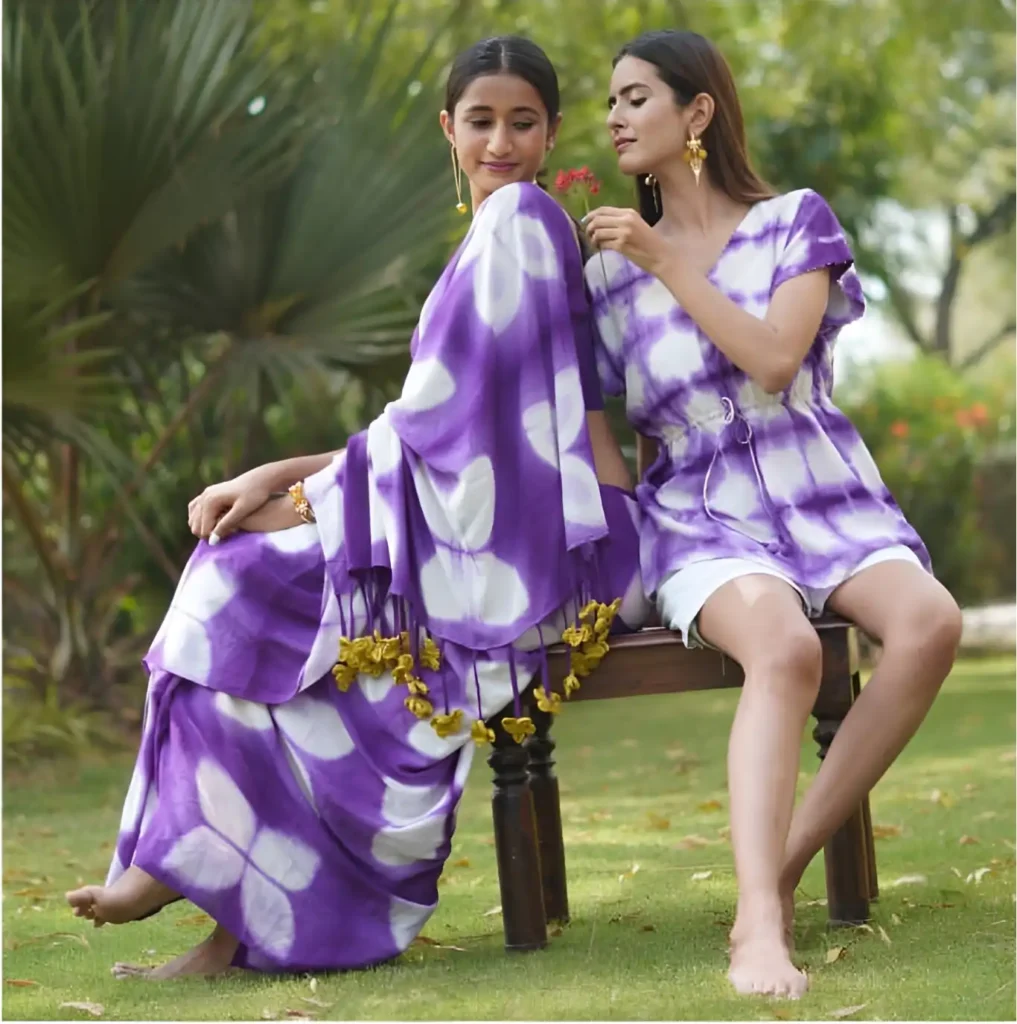
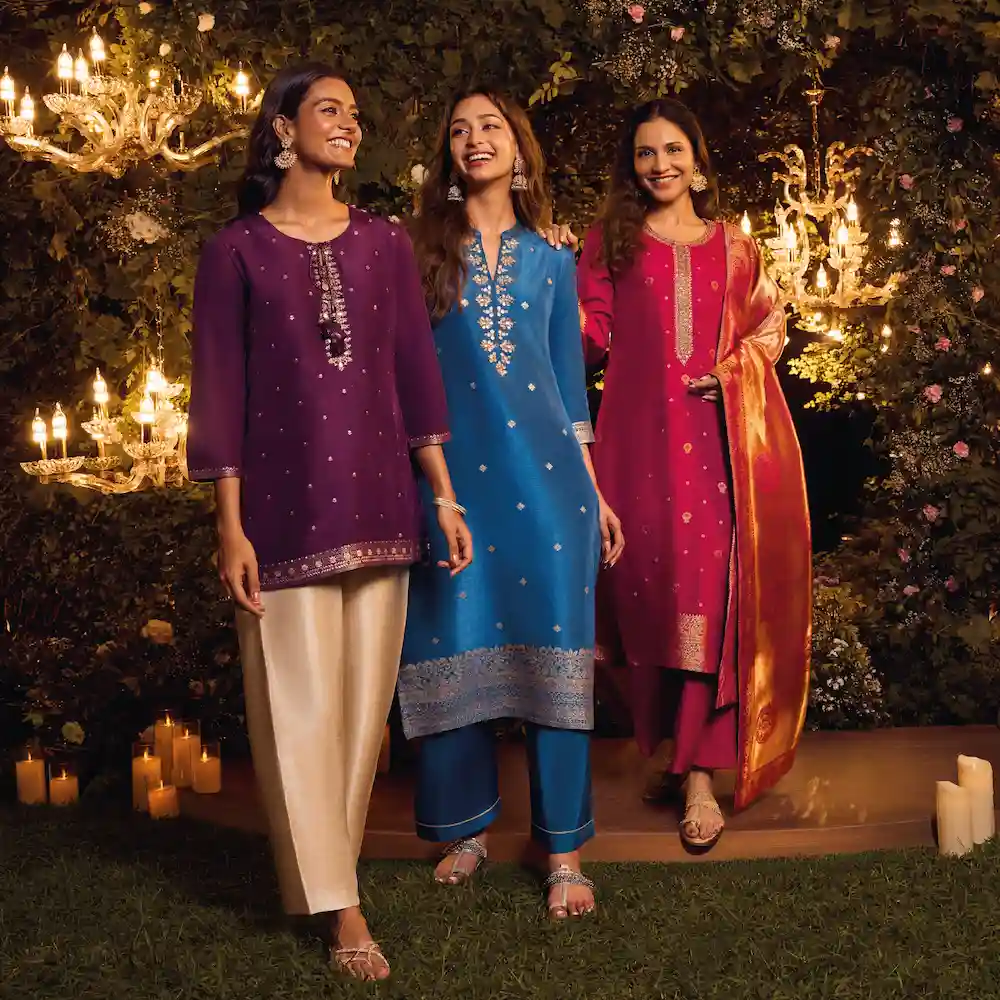
Soch Unveils Festive 2026, India’s most loved ethnic wear brand, proudly announces the launch of its Festive 2026 Collection, a season where every fabric, drape, and print tells a story. This year, Soch celebrates the craft traditions that have shaped Indian dressing for generations, from the delicate shimmer of tissue, the richness of embroidered zari, the timeless artistry of bandhani, and the intricate patterns of tile prints. Each piece is designed to feel like a small heirloom, rooted in tradition and styled for the way women dress today. The collection reflects Soch’s philosophy of celebrating heritage while embracing modernity. Traditional silhouettes meet contemporary craftsmanship across sarees, lehengas, salwar suits, kurtas, tunics, anarkalis, gowns, kaftans, and ghagra cholis, each made to elevate the moments that define the festive season. Soch Unveils Festive 2026 Collection Through Six Curated Stories Soch Unveils Festive 2026 brings together six curated stories. Tales of Tissue turns fabric into fashion, with delicate embroidery on the signature crushed tissue texture catching light across silhouettes from tunics, kurta sets and salwar suits to gowns, kaftans, co-ord sets and ghagra cholis, each carrying its own drape and shimmer. Zari Studio is where craft meets culture, pairing gota jacquard on Russian silk in jewel tones of teal, wine, maroon and navy with structured silhouettes and a lustrous, artisanal finish, built for festive evenings that ask for a little gold. Bandhej Treasures inspired by the timeless tradition of bandhani on flowing Bemberg crepe, from co-ord Sets to ghagra cholis, in tie-dye prints of navy, magenta, rust, purple, mustard and black that feel vivid and hand-crafted throughout. Indus Chronicles draws on layered, tile-inspired patterns in vibrant multicolour prints on kurtas and suit sets. Gulmohar captures the fire of the season in a single striking colour, salwar suits, kaftans and ghagra cholis in bold red, finished with delicate prints that are unmistakably festive. Completing the edit, a curation of sarees and Lehengas that brings together rich floral embellishments and intricate stonework across statement lehengas and sarees, pairing delicate detail with a quietly opulent finish. The stories will roll out through the festive season, curated for the occasions leading up to Diwali: Navratri celebrations, pre-Diwali gatherings, Karwa Chauth, family get-togethers, festive soirées and temple visits. The range spans minimal elegance to bold sophistication, so there is something for every preference. “At Soch, our vision has always been to celebrate the richness of Indian heritage in a way that resonates with today’s woman. With Tyohaar, The Festive Edit 2026, we wanted to let the fabrics own the narrative, inspired by the crush of tissue, the gold of a gota weave, the artistry of bandhani. Every piece is designed to make festive dressing not just about looking beautiful, but about feeling connected to the craft, culture and stories that have shaped us.” — Vinay Chatlani, CEO & Co-founder, Soch. Soch Unveils Festive 2026: Price and Availability Priced at INR 3000 onwards, Soch Unveils Festive 2026 invites everyone to discover the Festive 2026 Collection, a celebration of craft, colour and the spirit of the season. The collection is now available at all Soch Unveils Festive 2026 outlets and online at www.soch.com. Stay connected with Soch on Instagram, Facebook, YouTube and Pinterest for the latest updates.

Diwali outfit for men ideas featuring classy festive Indian fashion
Fashion

Ready to Slay Diwali: Pulling Up in My Absolute Classiest Fit

Pulling up to the Diwali party in a classic, sophisticated Diwali outfit for men is all about choosing sharp silhouettes, rich textures, and muted luxury. Here are the top style clues and aesthetic inspirations to elevate your festive Diwali outfit for men this Diwali: The Tailored Bundi / Nehru Jacket Set Layering a crisp silk or linen kurta pajama with an intricately embroidered or woven Nehru jacket instantly signals sophistication. For a modern twist, look for subtle geometric patterns, asymmetric cuts, or tone-on-tone tone embroidery. This classic combination is one of the most stylish choices for a sophisticated Diwali outfit for men. High-Texture Embroidered Kurtas Ditch the plain cottons for luxurious materials like Lucknowi Chikankari, raw silk, or jacquard fabrics. Jewel tones like emerald green, deep navy, or rich maroon styled with contrasting cream churidars or straight pants create a timeless festive vibe. These rich textures and colours can instantly elevate your Diwali outfit for men. Contemporary Fusion & Indo-Western Diwali Outfit for Men If you prefer a modern edge, experiment with short bundi coats, asymmetrical hemlines, or open-front sherwanis paired with slim-fit trousers. This style bridges the gap between traditional heritage and sleek, modern street style, making it an ideal contemporary Diwali outfit for men. Pro Styling Tips to Nail Your Diwali Outfit for Men The Footwear: Pull the entire look together with premium leather mojris, Kolhapuris, or textured loafers. The Accessories: Add a sleek chronograph watch, a subtle pocket square for your jacket, or a minimal metallic bracelet. Grooming: Keep your hair clean and your beard neatly trimmed to match the sharp lines of your outfit.

vVyom by Shuchita Festive Collection 2026 jewel tones brass and equestrian motifs
Fashion

vVyom by Shuchita Dresses the Festive Home in Jewel Tones, Brass and Equestrian Motifs

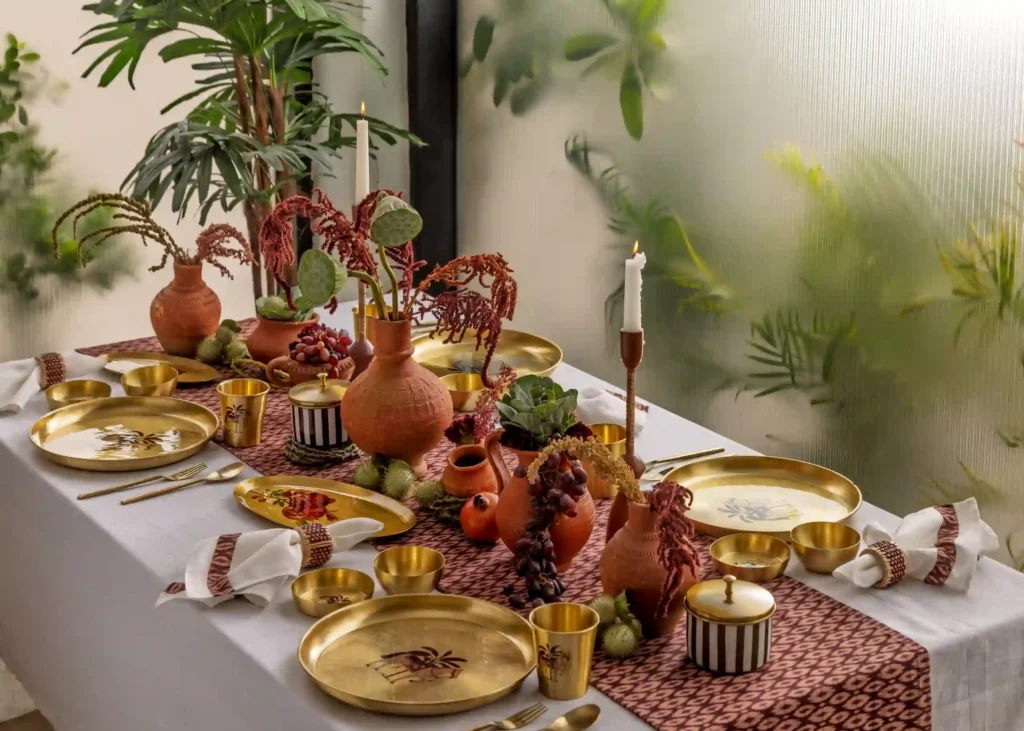
A horse gallops out of an old royal story and into the contemporary home. For Festive Collection 2026, vVyom by Shuchita reimagines the pageantry of palace life through equestrian motifs, imagined gardens, gleaming brass and jewel shades that run from saffron gold and smoked quartz to mulberry and jade. Ikat cuts through the grandeur, keeping the mood relaxed, layered and decidedly liveable. The Palace Stables in vVyom by Shuchita Festive Collection 2026 At the heart of the launch is The Palace Stables, a collection conceived almost like an old story remembered and retold. The horse, once associated with royal rides, ceremonial processions and sport, becomes an emblem across embroidered velvet cushions. Around it grows an imagined garden of palms and foliage, while patterns borrowed from palace interiors introduce another decorative layer. Against these more regal references sits ikat, familiar and easy, bringing an everyday quality to the collection. Bageecha and Naksh quilts, Naksh dohars, Palace Grid and Heritage bedcovers are joined by velvet cushions, botanical lumbars and embroidered equestrian designs. Colour moves from saffron gold and smoked quartz to mulberry, mauve and jade, with powder blue, lavender, magnolia and peach appearing in lighter combinations. Nothing is prescribed as a set. Quilts, bedcovers and cushions are intended to accumulate in layers, giving each room its own personality. Festive Table Décor in vVyom by Shuchita Festive Collection 2026 The festive story continues at the table with polished brass thalis, bowls and tumblers, illustrated horses, striped jars, patterned bottles and pomegranate-shaped platters. Ikat runners and napkins, rattan napkin holders and flashes of jewel colour offset the gleam of brass. “I wanted the collection to feel royal without becoming formal. The horse, the gardens, jewel colours and palace patterns bring richness, while ikat gives it an ease that makes everything much more liveable,” says Shuchita Sancheti Garg, Founder and Creative Director, vVyom by Shuchita. Drawing on a family textile history dating to 1884, vVyom creates pieces that carry their decorative spirit beyond the festive season, into homes and spaces with a personality of their own.

Contact Us

Beauty and the Best Magazine is a premier Indian fashion, beauty, and lifestyle magazine published by Prime Communication Media, New Delhi, India. Recognized for its premium editorial quality and influential industry presence, the magazine has become a trusted platform for showcasing the latest trends in fashion, beauty, luxury lifestyle, and modern living.

Copyright © 2019-2026 Vibrant Colours. All rights reserved.

Scroll to Top