

Dr. Jai Madaan Debut Book Set for Launch on 1 November 2026 in Delhi
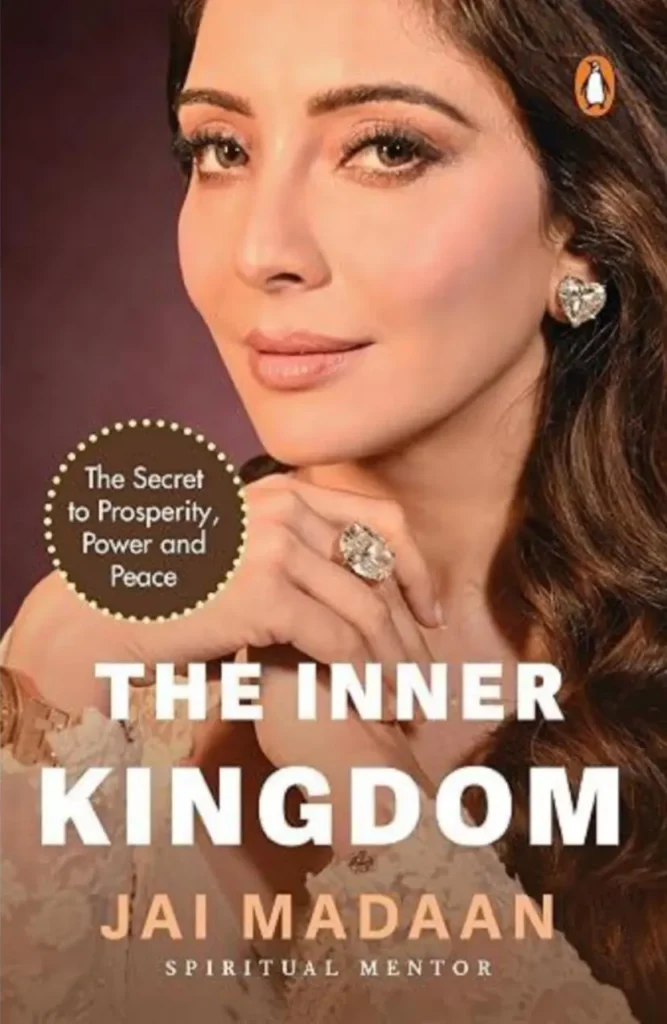
Dr. Jai Madaan debut book, The Inner Kingdom: The Secret to Prosperity, Peace and Power, is set to be unveiled on 1 November 2026 at her residence in Delhi. The book brings together spiritual wisdom and practical insights to help readers navigate prosperity, relationships, personal growth, and inner well-being. New Delhi, October 2026: Celebrity Spiritual Mentor and Motivational Speaker Dr. Jai Madaan is set to unveil her debut book, The Inner Kingdom: The Secret to Prosperity, Peace and Power. The book explores how inner beliefs, energy and actions influence the way people experience the world around them. Dr. Jai Madaan Debut Book Explores Prosperity, Peace and Power Known for her guidance on Vastu, astrology, numerology and mindful living, Dr. Madaan brings these perspectives together in a unified approach to everyday life. At the heart of The Inner Kingdom is the idea that external circumstances and inner states are deeply connected, and that greater self-awareness can help individuals make more conscious decisions and navigate life’s uncertainties. Moving beyond the conventional understanding of prosperity as financial success, the book explores abundance through health, relationships, career opportunities, stability, and overall well-being. It examines power as self-mastery—the ability to direct one’s energy, emotions, words and actions—and peace as the capacity to remain centred amid change. Indian Spiritual Traditions Meet Contemporary Life Drawing on Indian spiritual traditions and concepts such as Hanuman and the Ashta Siddhis, Vishnu, Yoga Nidra, the five elements, Vastu and Samarpanam, the book connects ancient wisdom with contemporary concerns. It also explores the relationship between personal well-being and one’s surroundings, encouraging readers to reflect on the habits, choices and environments that shape their lives. Through these perspectives, The Inner Kingdom presents spirituality as a framework for reflection and personal development, bringing traditional concepts into conversations about modern lifestyles and everyday challenges. How The Inner Kingdom Addresses Everyday Challenges Designed for readers seeking practical applications of spirituality, The Inner Kingdom addresses questions around career stagnation, recurring relationship patterns, financial stability, home harmony and personal fulfilment. Its central message is that meaningful change begins with understanding and working on oneself. The book encourages readers to examine their beliefs, responses and daily choices while considering how these influence their experiences. By bringing together spiritual principles and practical life guidance, Dr. Madaan aims to offer readers a cohesive perspective on self-awareness and personal growth. Dr. Jai Madaan Debut Book Presents a Philosophy for Balanced Living With this debut, Dr. Jai Madaan aims to bring the spiritual principles she has shared with millions into a cohesive philosophy for living—one that encourages readers to pursue prosperity without losing peace, exercise power with awareness, and approach life with greater balance. Rather than viewing prosperity, peace and power as separate ambitions, the book explores how these ideas can work together in the pursuit of a more conscious and fulfilling life. Dr. Jai Madaan’s Book Launch: Date and Venue The Inner Kingdom: The Secret to Prosperity, Peace and Power will be unveiled at a launch event on 1 November 2026 at Dr. Jai Madaan’s residence in Delhi. The debut marks a new chapter in Dr. Madaan’s work, bringing together her perspectives on Indian spiritual traditions, mindful living and personal development in a book intended for readers seeking greater clarity, balance and fulfilment in everyday life.